
Designing Environments That Support Comfort and Emotional Regulation
Home should be a place where every child feels safe, comfortable, and understood. For children with autism, the home environment plays an especially important role in supporting emotional regulation and reducing sensory overload. By creating calm, structured spaces, families can help children unwind, focus, and feel more at ease in their daily routines.
Why a Calm Space Matters
Many children with autism experience the world more intensely through their senses so light, sound, textures, and movement can all feel amplified. A calm space provides a refuge where your child can retreat, regroup, and regain control when things become overwhelming. These areas can help:
- Reduce anxiety and meltdowns
- Encourage self-regulation and independence
- Improve focus and attention for learning or play
- Provide a sense of safety and predictability
Choosing the Right Location
Your child’s calm space doesn’t need to be large – it just needs to feel safe. A quiet corner of the bedroom, a small nook in the living room, or even a pop-up tent can work well. The key is consistency: choose a spot your child can associate with peace and comfort.
Keep the Environment Simple
Minimize distractions to help your child relax. Use soft, neutral colors and dimmable lighting when possible. Avoid clutter and consider adding:
- Soft textures such as rugs, beanbags, or cozy blankets
- Weighted items for calming sensory input
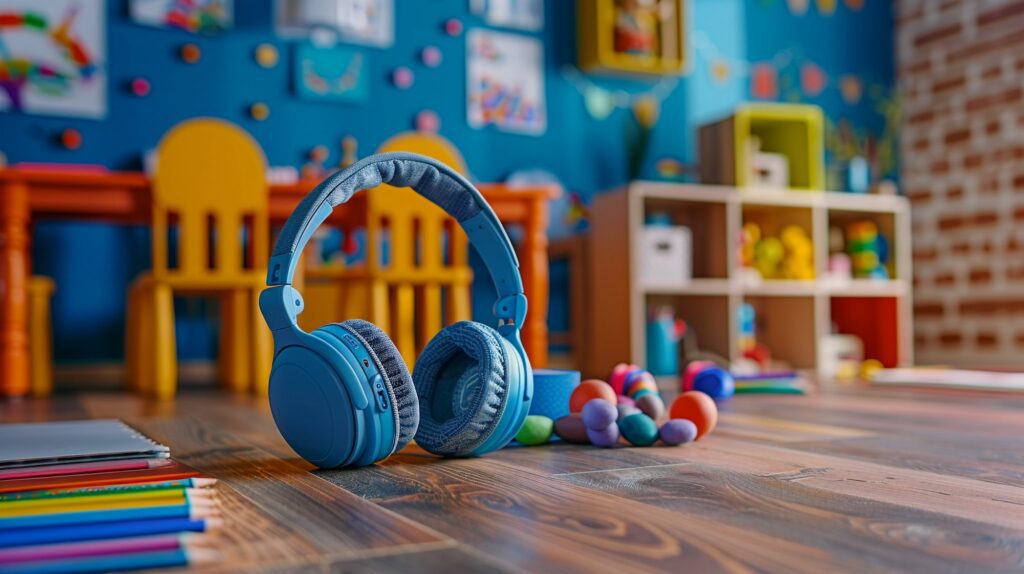
- Noise control tools like sound machines or noise-canceling headphones
- Gentle lighting instead of harsh overhead lights
Incorporate Personalized Sensory Tools
Every child’s sensory needs are unique. Some may find comfort in tactile toys or fidget tools, while others respond to soothing visuals or gentle movement. Experiment with options like:
- A small sensory bin with safe, engaging materials
- A lava lamp or bubble tube for visual calm
- Favorite stuffed animals or comfort objects
- Calming scents like lavender (if tolerated)
Establish Clear Boundaries and Routines
Let your child know when and how to use their calm space. You can introduce it as a “quiet break zone” rather than a place for discipline. Encourage them to go there when they feel overstimulated or need a moment alone. Over time, this helps your child recognize and respond to their own emotional cues.
Partnering With Families to Support Home Environments
At Phoenix Autism Center, we understand that what happens at home is just as important as what happens in therapy. Our team helps families design sensory-friendly spaces that promote peace, confidence, and independence for children on the autism spectrum.
If you’d like personalized strategies for creating a calm, supportive home environment, contact Phoenix Autism Center today.