
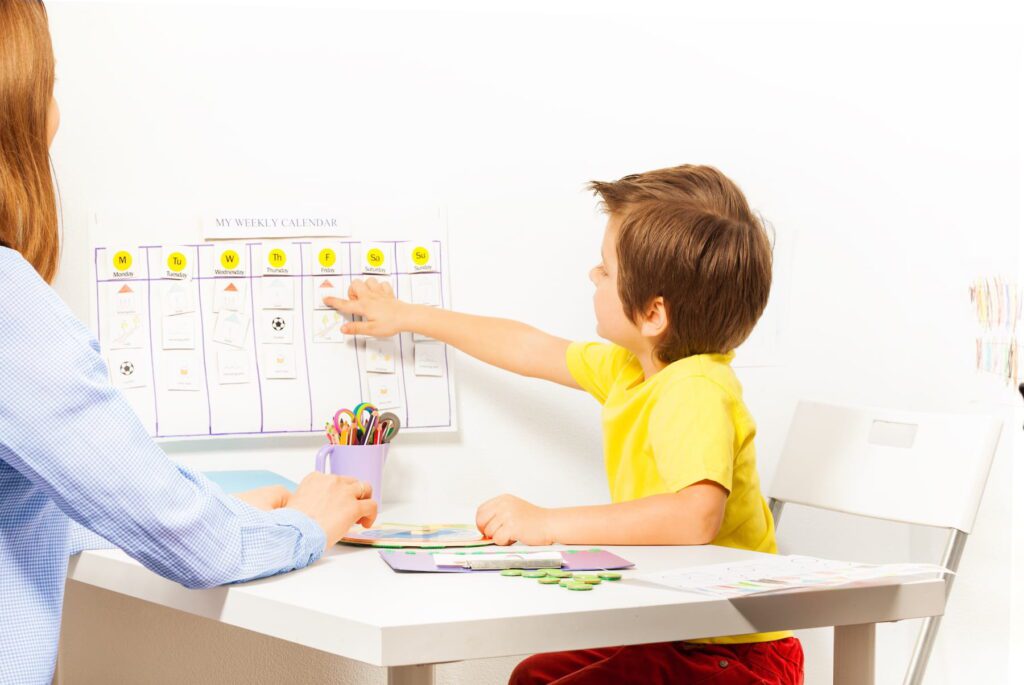
The back-to-school season brings excitement, new opportunities, and fresh routines for many families. However, for children with autism, the transition from summer schedules to structured school days can be challenging. Changes in daily routines, expectations, environments, and social demands can affect behavior, emotional regulation, and overall well-being.
Understanding how routine changes impact children with autism can help parents proactively support their child and create a smoother transition into the school year.
Why Routine Matters for Children with Autism
Many children with autism thrive on predictability. Consistent routines help create a sense of security by allowing children to understand what to expect throughout the day.
When routines suddenly change, children may experience:
- Increased anxiety
- Difficulty transitioning between activities
- Emotional outbursts
- Resistance to new expectations
- Sleep disruptions
- Changes in appetite
- Increased sensory sensitivities
While these reactions are understandable, there are ways parents can help children adjust successfully.
What Changes During Back-to-School Season?
The transition back to school often involves multiple changes occurring at the same time.
Common adjustments include:
- Earlier wake-up times
- New bedtime schedules
- Different transportation routines
- New teachers and classmates
- Increased academic expectations
- Less free time
- New environments and sensory experiences
For children with autism, even small disruptions to familiar routines can feel significant.
“Back-to-school season brings a lot of change in a short amount of time. As parents, it’s easy to focus on the first day of school, but children are also adjusting to new routines, expectations, environments, and social situations. Giving them extra support and predictability during this transition can make a tremendous difference in how successfully they adapt.” — Justin Hartman, Co-Owner, Phoenix Autism Center
Why Behavior May Change
Behavior is often a form of communication. When children experience stress, uncertainty, or overwhelm, their behavior may reflect those feelings.
Parents may notice:
- Increased meltdowns
- More frequent frustration
- Difficulty following directions
- Increased rigidity
- Withdrawal from activities
- Changes in attention and focus
These behaviors do not necessarily indicate regression. In many cases, they are temporary responses to the challenges of adapting to a new routine.
Prepare for Changes Before School Starts
One of the most effective ways to reduce back-to-school stress is to gradually introduce school-year routines before the first day.
Several weeks before school begins, families can begin:
- Adjusting bedtime and wake-up schedules
- Practicing morning routines
- Reintroducing structured activities
- Reviewing visual schedules
- Talking about what to expect at school
Gradual adjustments often make the transition easier than making all changes at once.
Use Visual Supports to Increase Predictability
Visual schedules can help children understand upcoming activities and prepare for changes in their daily routine.
A visual schedule may include:
- Wake-up time
- Getting dressed
- Breakfast
- School
- After-school activities
- Dinner
- Bedtime
The Indiana Resource Center for Autism recommends visual supports as an effective strategy for helping children navigate transitions and reduce anxiety.
Expect an Adjustment Period
Many children need time to adapt to a new schedule. It is normal for behavior to fluctuate during the first several weeks of school.
Parents can support this adjustment by:
- Maintaining consistent expectations
- Providing extra reassurance
- Allowing time for rest after school
- Keeping evening routines predictable
- Celebrating small successes
Patience and consistency often help children settle into new routines more quickly.
Pay Attention to Sensory Needs
The school environment can introduce new sensory challenges, including:
- Crowded hallways
- Classroom noise
- Bright lights
- Increased social interaction
- New sounds and smells
After a full day of sensory input, some children may need opportunities to decompress at home.
Helpful strategies may include:
- Quiet spaces
- Sensory breaks
- Outdoor play
- Movement activities
- Calming routines
Supporting sensory regulation can often improve behavior and emotional well-being.
Keep Communication Open
Children may not always be able to explain what is causing frustration or stress. Parents can help by creating opportunities to talk about feelings and experiences.
Questions such as:
- What was your favorite part of today?
- What felt difficult?
- Was anything different today?
can provide insight into what your child may be experiencing.
Collaboration between parents, teachers, and therapists can also help identify challenges and develop effective solutions.
Focus on Progress, Not Perfection
Every child adjusts to change at their own pace. Some children may adapt quickly, while others need additional time and support.
Rather than expecting an immediate return to smooth routines, focus on gradual progress. Small improvements in flexibility, independence, and emotional regulation are important signs of success.
Consistency, patience, and encouragement can help children build confidence as they navigate new experiences.
When Additional Support Can Help
If routine changes continue to cause significant behavioral challenges, additional support may be beneficial. ABA therapy can help children develop skills related to transitions, flexibility, communication, emotional regulation, and independence.
Therapists can work with families to create individualized strategies that support success both at home and in school settings.
Helping Your Child Navigate Back-to-School Changes
Back-to-school season is a time of transition, and transitions can be challenging for children with autism. By preparing ahead of time, maintaining predictable routines, supporting sensory needs, and providing consistent encouragement, parents can help reduce stress and build confidence during this important adjustment period.
If your child struggles with routine changes, transitions, or behavioral challenges during the school year, Phoenix Autism Center is here to help. Our team works closely with families to develop practical strategies that support communication, emotional regulation, independence, and school readiness. Contact Phoenix Autism Center today to learn more about our autism therapy programs and how we can help your child thrive both in and out of the classroom.