Speech Therapy for Young Children with Autism
Helping Your Child Build Communication for Everyday Life
Communication is one of the most important foundations for a child’s development. For many young children with autism, speech and language skills do not develop in a typical way, which can make it difficult to express needs, connect socially, and participate in learning. Speech therapy focuses on helping children build meaningful communication—whether through spoken language, gestures, or alternative communication methods—so they can better engage with the world around them. Research shows speech-language therapy can improve communication, social interaction, and overall development for children with autism.
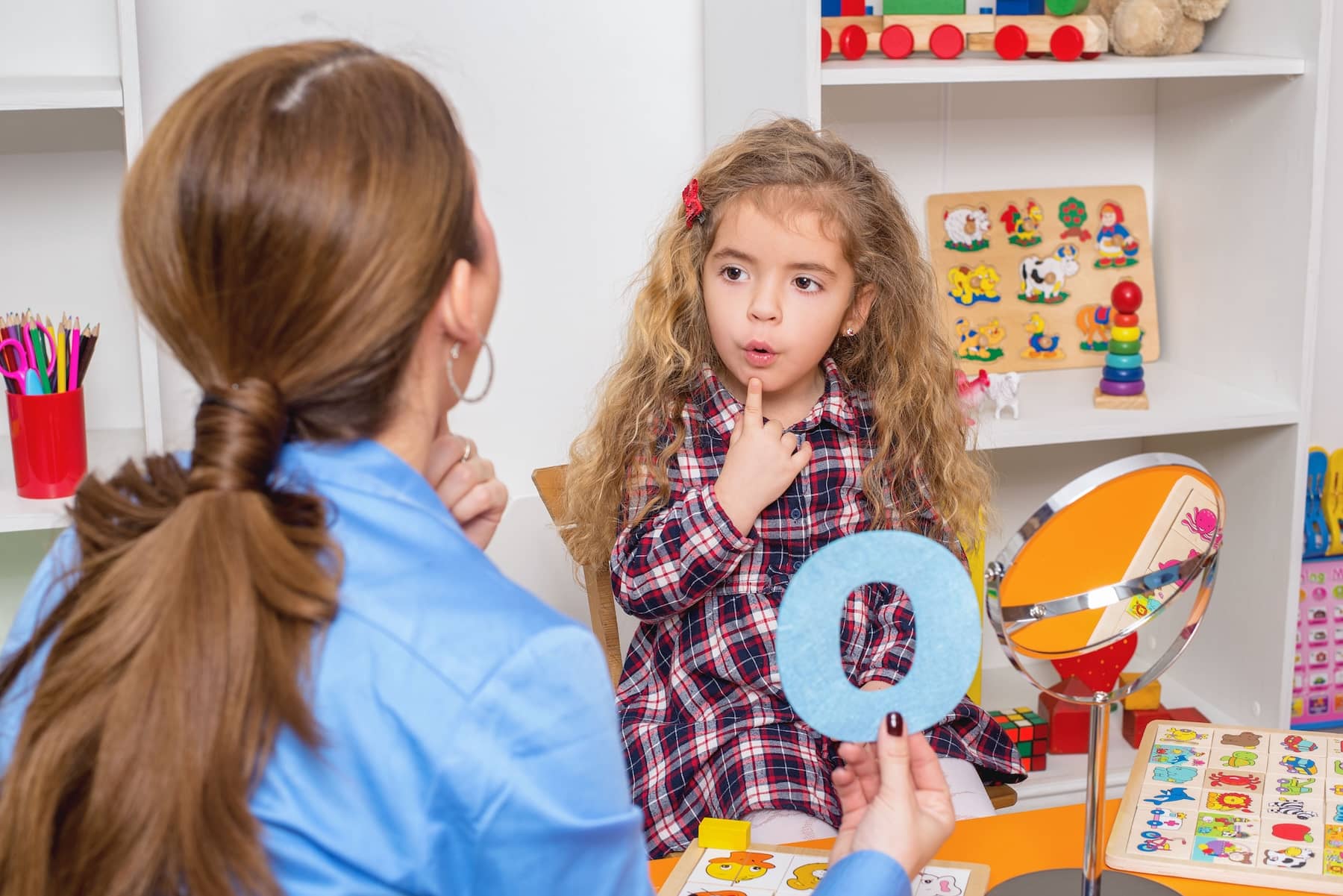
At Phoenix Autism Center, speech services are integrated into each child’s individualized treatment approach. Because we specialize in treating children ages 2 through 6, therapy focuses on early communication foundations such as requesting, labeling, understanding language, and engaging in back-and-forth interaction.
How Speech Therapy Supports Development
Speech therapy is tailored to each child’s unique strengths and needs. Some children are learning to say their first words, while others are building longer phrases, improving clarity, or strengthening social communication skills. Therapy may focus on:
- Developing functional communication (requesting, expressing needs, and making choices)
- Building receptive language (understanding directions, words, and concepts)
- Improving expressive language (using words, phrases, and sentences)
- Strengthening social communication such as eye contact, turn-taking, and shared attention
- Supporting alternative communication methods when needed
Sessions are designed to be engaging and motivating, often using play-based learning, structured activities, and natural interactions that help children use communication in real-life situations.
Benefits of Early Speech Support
Early intervention plays a critical role in communication development. Key benefits of speech therapy include:
- Improved Communication: Helps children express wants, needs, and feelings more clearly
- Reduced Frustration: When children can communicate effectively, challenging behaviors often decrease
- Stronger Social Skills: Supports interaction, imitation, and relationship building
- School Readiness: Builds foundational language needed for classroom learning
- Family Connection: Strengthens everyday communication between children and caregivers
Speech development is closely connected to behavior, learning, and social growth, which is why communication goals are coordinated with each child’s broader treatment plan.
Family Collaboration and Real-World Progress
Parents and caregivers play a vital role in communication growth. Our team works closely with families to share strategies that can be used at home during everyday routines such as meals, playtime, and transitions. Consistency across settings helps children generalize skills and make lasting progress.
Regular progress reviews ensure therapy stays aligned with your child’s developmental needs, and adjustments are made as communication skills grow.
How to Get Started
Every child begins with a comprehensive evaluation to understand communication strengths, challenges, and developmental goals. From there, we create a personalized plan designed to help your child build meaningful communication step by step.
If you would like to learn more about how speech therapy can support your child’s development, contact Phoenix Autism Center for a consultation. Our team is here to help your child find their voice and build the communication skills needed for long-term success.