
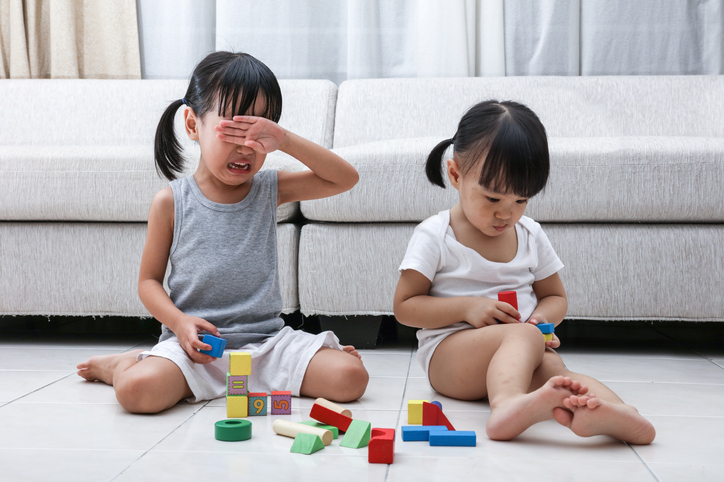
Growing up with a sibling can mean sharing toys, competing for attention, learning from each other, arguing one minute and laughing together the next.
When one child has autism, the sibling relationship may include some additional experiences. A brother or sister may notice that their sibling communicates differently, needs more help with certain activities, has different routines or receives more of a parent’s attention at particular times.
Children may have questions about these differences but not always know how to ask them.
Helping siblings understand autism in an age-appropriate way—and making sure their own feelings, interests and needs remain important—can help create stronger relationships and a more supportive family environment.
Explain Autism in a Way Your Child Can Understand
Children don’t necessarily need a complicated explanation of autism. They need information that makes sense for their age and answers the questions they actually have.
You might explain that everyone’s brain works differently and that their sibling’s brain makes some things easier and other things more difficult.
For example:
“Your brother has a harder time telling us what he needs, so we’re helping him learn ways to communicate.”
“Loud noises bother your sister more than they bother you, so sometimes she needs headphones or a quiet place.”
“Changes can be hard for him, which is why we tell him what we’re going to do before we leave.”
The CDC explains that autism can involve differences in social communication and interaction as well as restricted or repetitive behaviors or interests. Children with autism can also have different ways of learning, moving or paying attention.
Keeping explanations connected to everyday experiences can make autism easier for siblings to understand.
Make It Okay to Ask Questions
Children may have questions that adults find uncomfortable.
“Why doesn’t she talk?”
“Why does he get upset about little things?”
“Why does she get to leave the table?”
“Why do you spend so much time taking him to therapy?”
These questions don’t necessarily mean a child is being unkind. Often, they’re trying to understand something that feels different or unfair.
Give siblings permission to ask questions and answer as simply and accurately as you can. If you don’t know the answer, it’s okay to say that too.
Keeping the conversation open also gives parents opportunities to correct misunderstandings before children develop their own explanations for what they’re seeing.
Acknowledge When Things Feel Unfair
Families naturally adjust to the needs of individual children.
One child might need additional therapy appointments. Another might need more help with homework. One may have dietary restrictions while another has a later bedtime because they’re older.
Children, however, may simply see that one sibling is receiving something different.
Instead of insisting that everything is fair, acknowledge what they notice.
You might say, “You’re right. Your brother gets to bring his tablet to that restaurant because it helps him stay comfortable when it gets noisy. I understand why that feels different.”
The goal isn’t for every child to receive exactly the same thing. It’s for each child to receive the support they need while knowing their own needs matter too.
Give Siblings Individual Attention
Therapy schedules, appointments and additional caregiving needs can take significant time and energy.
That can sometimes leave siblings feeling like they’re waiting for their turn.
Individual attention doesn’t have to mean elaborate outings or hours of one-on-one time. Reading together before bed, taking a short walk, going for ice cream or simply having a conversation without interruptions can reinforce an important message:
You matter too.
The American Academy of Pediatrics notes that siblings of children with disabilities benefit from having their own interests and activities recognized and from spending individual time with parents.
Include Siblings Without Making Them Responsible
Brothers and sisters can absolutely be part of a child’s support system.
They might learn how their sibling communicates, participate in a favorite activity together or understand what helps when their sibling becomes overwhelmed.
But there’s an important distinction between inclusion and responsibility.
A sibling shouldn’t feel that it’s their job to manage behavior, provide therapy, explain their sibling to everyone else or consistently sacrifice their own activities because of their sibling’s needs.
They are a brother or sister first.
Giving children opportunities to connect naturally can help build a relationship based on being siblings—not on one child becoming a caregiver.
Help Them Find Ways to Connect
Sometimes siblings want to play together but aren’t sure how.
Look for activities that both children can enjoy at their own level.
They might:
- Build with blocks or LEGOs
- Play outside together
- Draw or color
- Listen to music
- Look through books
- Play with sensory toys
- Watch a favorite show
- Help with a simple household activity
- Play a familiar game
- Share a favorite snack
Parallel play—playing near each other without necessarily interacting continuously—can also be a valuable way for children to spend time together.
Connection doesn’t have to look a particular way to count.
Respect the Sibling’s Feelings Too
Having a sibling with autism can bring many different emotions.
A child may feel protective and proud of their sibling. They may also sometimes feel embarrassed, frustrated, jealous, worried or angry.
More than one of those feelings can exist at the same time.
Try not to immediately correct uncomfortable feelings with statements such as, “You shouldn’t feel that way. Your sister can’t help it.”
Instead, acknowledge the feeling while helping your child understand the situation.
“I know it was frustrating when we had to leave early. You were having fun.”
Recognizing a child’s feelings doesn’t mean changing every family decision. It simply lets them know that their experience matters too.
Talk About Autism Beyond Difficult Moments
If autism is only discussed after a meltdown, a difficult outing or an interrupted activity, siblings may begin associating autism primarily with problems.
Look for opportunities to talk about differences, strengths and progress during ordinary moments too.
Maybe their sibling learned a new way to ask for something. Perhaps they tried a new food, participated in a group activity or independently completed part of a morning routine.
Celebrating those accomplishments as a family can help siblings recognize growth while also learning that everyone’s achievements deserve attention.
Prepare Siblings for Public Situations
Children may sometimes notice other people staring, asking questions or reacting to their sibling’s behavior.
Talking about these situations beforehand can help.
Let siblings know that they don’t have to explain or defend their brother or sister to everyone they meet. Parents and other adults can handle those conversations.
At the same time, older children who want to explain autism can be given simple, respectful language to use.
The goal is to help them feel prepared without making them responsible for educating the world about their sibling.
Build a Family Culture of Understanding
Supporting siblings isn’t about making every family experience equal or preventing every difficult feeling.
It’s about creating a home where differences can be discussed openly, questions are welcome and each child’s needs matter.
When siblings understand why their brother or sister may communicate, play or respond differently, unfamiliar behaviors can become less confusing. When their own feelings and interests are also respected, they can participate in the family without feeling that autism defines their role within it.
Over time, that understanding can help create space for something even more important: a sibling relationship that develops in its own unique way.
Supporting the Whole Family
Autism affects the experiences of the entire family, and supporting a child’s development often works best when parents and caregivers have strategies they can use beyond therapy sessions. At Phoenix Autism Center, our team partners with families to develop individualized goals that support communication, social interaction, independence and participation in everyday life. If you’d like to learn more about our ABA, speech and occupational therapy services or discuss your child’s needs, contact Phoenix Autism Center today.