Learning Happens Best When the Body Is Engaged
For many young children with autism, learning isn’t just about sitting still and listening—it’s about movement, interaction, and sensory experience. The way a child processes sensory input can directly impact their ability to focus, communicate, and engage with the world around them.
At Phoenix Autism Center, we incorporate movement and sensory input into therapy because it helps children stay regulated, attentive, and ready to learn.
What Is Sensory Input?
Sensory input is the information we receive through our senses, including:
- Touch
- Movement (vestibular input)
- Body awareness (proprioception)
- Sound, sight, and smell
Children with autism may process this input differently—seeking more of it, avoiding it, or responding in unique ways.
Why Movement Matters for Learning
Movement plays a critical role in helping children:
- Stay focused and engaged
- Regulate their emotions
- Improve attention span
- Strengthen coordination and body awareness
When a child’s sensory needs are met, they are more available for learning and interaction.
According to the American Occupational Therapy Association, sensory integration supports a child’s ability to participate in daily activities and learning environments.
The Connection Between Sensory Input and Behavior
When sensory needs are not met, children may:
- Become overwhelmed or distracted
- Seek out movement in disruptive ways
- Struggle to sit, attend, or follow directions
By proactively incorporating sensory input, we can reduce these challenges and create a more positive learning environment.
How We Use Movement in Therapy
1. Built-In Movement Breaks
Short, purposeful breaks help children reset and refocus during activities.
2. Play-Based Learning
Activities like jumping, climbing, and interactive games naturally incorporate movement while teaching skills.
3. Sensory Tools and Activities
We use swings, crash pads, and other tools to provide appropriate sensory input in a structured way.
4. Natural Environment Teaching (NET)
Learning happens during real-life interactions, where movement and engagement occur organically.
Supporting Sensory Needs at Home
Parents can help support learning by:
- Allowing time for active play throughout the day
- Creating simple sensory activities (like obstacle courses or movement games)
- Recognizing when a child needs a break to reset
- Keeping routines consistent
Meeting sensory needs at home can improve focus, behavior, and overall progress.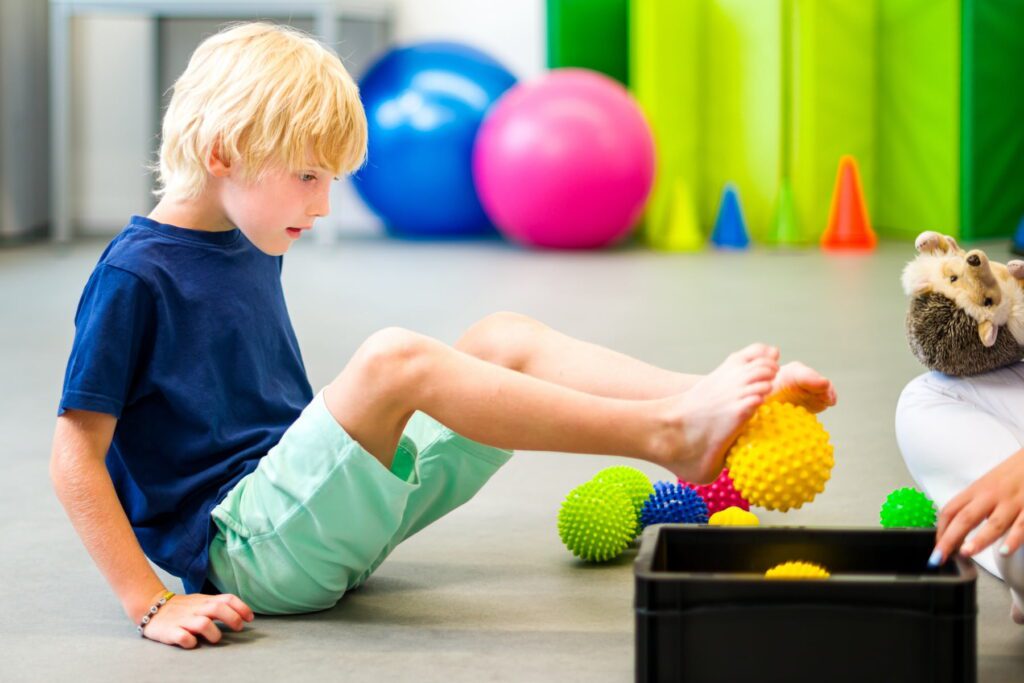
Movement Is Not a Distraction—It’s a Tool
For children with autism, movement and sensory input are not distractions from learning—they are essential parts of it. When children feel regulated and engaged, they are better able to connect, communicate, and grow.
At Phoenix Autism Center, we use movement with purpose—because when the body is ready, the mind can follow. Contact us and schedule a tour at any of our 6 locations, including our Mesa location.