
For many families of children with autism, daily life can feel unpredictable. Transitions between activities, unexpected changes, and communication challenges can quickly turn ordinary moments into stressful ones. While every child is different, one of the most effective ways to reduce anxiety and create a calmer home environment is through consistent daily routines.
A well-designed routine does more than keep the day organized. It helps children understand what to expect, supports independence, reduces challenging behaviors, and creates a greater sense of stability for the entire family.
Why Routines Matter for Children with Autism
Many children with autism thrive on predictability. Knowing what comes next can help reduce uncertainty and make the world feel more manageable. When routines are consistent, children often experience fewer emotional outbursts, less anxiety, and smoother transitions between activities.
Routines also create opportunities for learning. Daily activities such as getting dressed, brushing teeth, eating meals, and cleaning up toys help children practice communication, self-help skills, and independence in a natural way.
“As both a parent of a child with autism and a center owner, I’ve seen firsthand how powerful consistent routines can be. Children thrive when they know what to expect, and parents often feel less stress when daily life becomes more predictable. Small changes in structure can make a big difference in helping the entire family feel more confident and successful.” — Bre Hartman, Co-Owner, Phoenix Autism Center
Start with the Most Important Parts of the Day
Parents do not need to schedule every minute. Instead, focus on creating structure around the parts of the day that tend to be the most challenging.
Common routine anchors include:
- Morning wake-up and getting ready
- Mealtimes
- Therapy sessions
- Homework or learning activities
- Playtime
- Bath and bedtime routines
When these key parts of the day happen consistently, children begin to understand expectations and transitions become easier.
Use Visual Supports
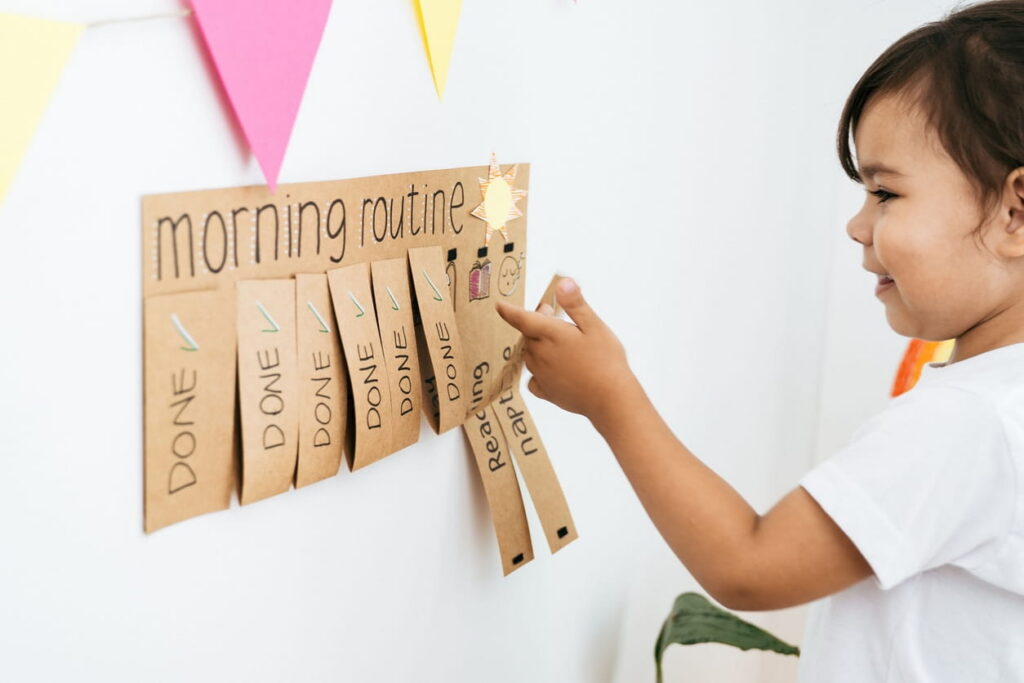
Many children with autism respond well to visual information. A visual schedule can help them see what activities are coming next and reduce anxiety about changes.
Visual schedules may include:
- Pictures
- Icons
- Photographs
- Written words for readers
- Checklists
Simple visual supports can be posted on a refrigerator, wall, or tablet and reviewed throughout the day.
Prepare for Transitions
Even with a strong routine, transitions can be difficult. Moving from a preferred activity to a less preferred one often creates frustration.
Parents can help by providing advance notice before a transition occurs. Giving reminders such as “five more minutes” or using a visual timer allows children time to mentally prepare for the change.
Consistent transition strategies help children develop flexibility while reducing stress for everyone involved.
Build in Predictable Breaks
Children need opportunities to relax and recharge throughout the day. Scheduled breaks can help prevent overstimulation and reduce the likelihood of challenging behaviors.
Depending on your child’s needs, breaks might include:
- Sensory activities
- Outdoor play
- Quiet reading time
- Listening to music
- Movement exercises
Having these breaks built into the routine creates a healthy balance between demands and downtime.
Keep Expectations Realistic
One of the biggest sources of family stress comes from trying to create the “perfect” schedule. Routines should support your family, not create additional pressure.
Start small and focus on consistency rather than perfection. If a routine works most days, it is doing its job. Over time, routines can be adjusted as your child develops new skills and family needs change.
Include the Entire Family
Successful routines benefit everyone in the household. Siblings, caregivers, and parents all play a role in maintaining consistency.
When everyone understands the schedule and follows similar expectations, children receive clearer messages about what is expected. This consistency often leads to fewer conflicts and a more positive home environment.
When Additional Support Can Help
If daily routines continue to feel overwhelming, professional support may help. ABA therapy can help children develop skills related to transitions, communication, self-regulation, and independence that make daily routines easier to manage.
At Phoenix Autism Center, our team works closely with families to identify strategies that support success both in therapy and at home. By creating predictable routines and teaching practical life skills, children can gain confidence while families experience less stress throughout the day.
Creating More Calm Through Consistency
Every family experiences busy days and unexpected challenges. However, consistent routines provide a foundation that helps children feel secure and supported. By focusing on predictability, preparation, and realistic expectations, families can create a calmer environment that benefits everyone.
Small changes to daily routines can often lead to meaningful improvements in confidence, independence, and overall family well-being.
If daily routines feel overwhelming or you’re looking for additional ways to help your child succeed, Phoenix Autism Center is here to help. Our team works closely with families to develop individualized strategies that support communication, independence, emotional regulation, and everyday life skills. Contact Phoenix Autism Center today to learn more about our autism therapy programs and how we can help your child and family build a more confident, successful future.