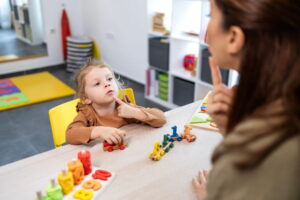

Starting preschool is an exciting milestone for many families, but it can also bring uncertainty and anxiety—especially for children with autism. New environments, unfamiliar routines, different expectations, and interactions with new adults and peers can make the transition challenging.
The good news is that with preparation, support, and consistent routines, children can develop the skills and confidence needed to successfully navigate this important step. Helping children prepare before preschool begins can reduce stress, improve adjustment, and create a more positive experience for the entire family.
Why Preschool Transitions Can Be Challenging
Preschool introduces many changes at once. Children may be leaving the familiarity of home, spending time away from parents, following group routines, and participating in activities that require communication, attention, and social interaction.
For children with autism, these changes can feel overwhelming. Common challenges may include:
- Difficulty with transitions
- Separation anxiety
- Communication delays
- Challenges following group instructions
- Sensory sensitivities
- Limited social experience with peers
Preparing for these challenges ahead of time can help children feel more comfortable and confident when preschool begins.
Start Practicing New Routines Early
One of the best ways to prepare for preschool is to begin introducing similar routines at home several weeks before the first day.
Consider practicing:
- Waking up at the preschool schedule
- Getting dressed independently
- Eating meals and snacks at consistent times
- Following simple directions
- Cleaning up after activities
- Participating in short, structured activities
When children become familiar with these routines at home, the preschool environment often feels less intimidating.
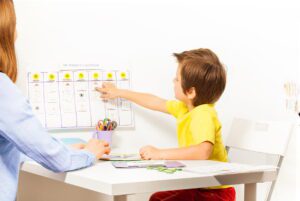
Use Visual Schedules to Build Predictability
Visual schedules help children understand what their day will look like and what activities to expect.
Parents can create a simple preschool-style schedule that includes:
- Wake up
- Get dressed
- Breakfast
- School
- Lunch
- Playtime
- Dinner
- Bedtime
Reviewing the schedule daily helps children become comfortable with the idea of following a routine like what they will experience in preschool.
The Indiana Resource Center for Autism recommends visual supports as an effective way to reduce anxiety and increase independence during transitions.
Visit the Preschool Ahead of Time
Whenever possible, arrange opportunities for your child to become familiar with the preschool environment before the first day.
Helpful activities may include:
- Touring the classroom
- Meeting teachers
- Visiting the playground
- Practicing the drop-off routine
- Looking at photos of the school
Familiarity often reduces anxiety and helps children know what to expect when school begins.
Practice Short Separations
For some children, being away from parents can be one of the most difficult parts of starting preschool.
Parents can help by gradually introducing short periods of separation.
Examples include:
- Spending time with grandparents
- Participating in community classes
- Attending playgroups
- Staying with trusted caregivers
These experiences help children learn that parents leave and return, building confidence and reducing separation anxiety over time.
Encourage Independence Skills
Preschool teachers support many children throughout the day, so developing basic self-help skills can make the transition smoother.
Skills that may be helpful include:
- Washing hands
- Putting away belongings
- Sitting for short group activities
- Following simple directions
- Using the bathroom when developmentally appropriate
- Asking for help
Children do not need to master every skill before preschool but practicing them can improve confidence and participation.
Build Communication Opportunities
Communication plays an important role in preschool success. Children who can express wants, needs, and emotions often have an easier time navigating new situations.
Parents can encourage communication by:
- Offering choices
- Practicing simple requests
- Reading together
- Encouraging turn-taking conversations
- Using visual supports or alternative communication systems when needed
These opportunities help children develop skills they can use in the classroom setting.
Prepare for Social Interactions
Preschool introduces new opportunities for social engagement. While social skills develop at different rates, children can benefit from practicing peer interactions before school starts.
Parents can encourage:
- Parallel play
- Taking turns
- Sharing activities
- Greeting familiar people
- Participating in small playgroups
These experiences provide valuable opportunities to learn social expectations in a comfortable environment.
Partner with Teachers
Parents and teachers are most successful when they work together as a team.
Sharing information about your child’s:
- Strengths
- Interests
- Communication style
- Sensory needs
- Successful calming strategies
can help educators create a supportive learning environment from day one.
Open communication helps ensure consistency between home and school.
When Additional Support Can Help
Some children benefit from additional support before or during the transition to preschool. Early intervention services and ABA therapy can help children develop communication, social, behavioral, and independence skills that support success in classroom environments.
Therapists can also help families identify strategies that make transitions easier and reduce anxiety during this important stage of development.
Helping Your Child Start Preschool with Confidence
Starting preschool is a significant milestone, and every child adjusts at their own pace. By introducing routines, practicing independence skills, using visual supports, and preparing for new experiences ahead of time, parents can help children feel more comfortable and confident as they enter the classroom.
If your child is preparing for preschool and could benefit from additional support, Phoenix Autism Center is here to help. Our team works closely with families to build the communication, social, behavioral, and daily living skills children need to succeed in preschool and beyond. Contact Phoenix Autism Center today to learn more about our autism therapy programs and how we can support your child’s journey toward greater independence and confidence.