Every child deserves the opportunity to become as independent as possible. While academic and communication skills are important, everyday tasks like getting dressed, washing hands, brushing teeth, or helping clean up are just as meaningful. These daily living skills help children gain confidence, participate more fully in family life, and prepare for greater independence as they grow.
At Phoenix Autism Center, daily living skills are incorporated into each child’s individualized treatment plan, helping children make steady progress one step at a time.
“Independence doesn’t happen all at once—it happens through hundreds of small successes. Every new skill a child learns builds confidence, and those moments add up to meaningful progress for both the child and their family.”
— Bre Hartman, Co-Founder, Phoenix Autism Center
What Are Daily Living Skills?
Daily living skills (sometimes called adaptive or self-help skills) are the everyday activities people use throughout their lives.
Examples include:
- Getting dressed
- Brushing teeth and washing hands
- Using the restroom independently
- Eating with utensils
- Cleaning up toys
- Following simple routines
- Packing a backpack
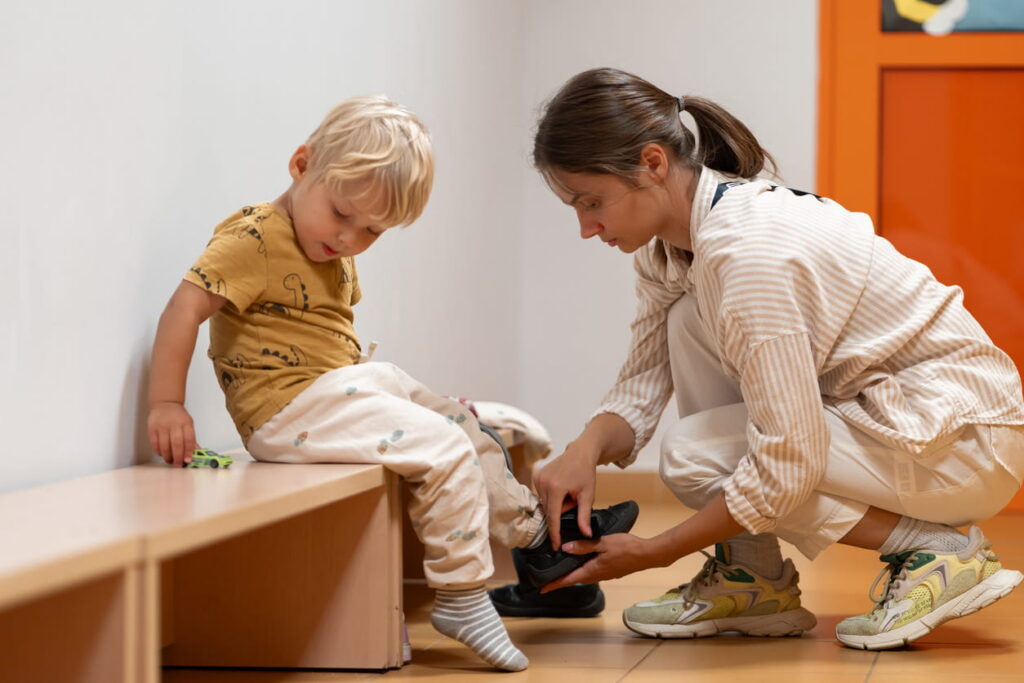
- Putting on shoes
- Helping with simple household tasks
These skills allow children to become more confident while reducing their dependence on adults over time.
Why These Skills Matter
Learning daily living skills isn’t just about completing tasks—it’s about building confidence and creating opportunities for greater independence.
As children develop these abilities, families often notice:
- Increased self-confidence
- Greater participation at home
- Easier morning and bedtime routines
- Improved readiness for school
- More opportunities to participate in community activities
Even mastering one small skill can have a positive impact on a child’s daily life.
Breaking Big Tasks Into Small Steps
Many everyday activities involve several individual steps. For children with autism, learning each step separately often makes the entire task feel more manageable.
For example, brushing teeth may be broken down into:
- Pick up the toothbrush.
- Put toothpaste on the brush.
- Brush the top teeth.
- Brush the bottom teeth.
- Rinse the toothbrush.
- Put everything away.
Rather than expecting perfection immediately, therapists celebrate progress at every stage. As children become successful with one step, additional steps are gradually introduced.
Using Everyday Moments as Learning Opportunities
One of the best times to practice daily living skills is during everyday routines.
Children naturally learn while:
- Getting ready in the morning
- Preparing for meals
- Cleaning up after playtime
- Washing hands before eating
- Putting away shoes and backpacks
- Getting ready for bed
Practicing these skills in real-life situations helps children generalize what they’ve learned and use those skills across different environments.
How ABA, Occupational Therapy, and Speech Therapy Work Together
Building independence often requires support from multiple disciplines.
ABA therapy helps children learn routines, follow directions, and practice new skills using positive reinforcement.
Occupational therapy focuses on the fine motor skills, coordination, sensory processing, and self-care abilities needed to complete everyday tasks successfully.
Speech therapy supports understanding directions, asking for help, and communicating throughout daily routines.
At Phoenix Autism Center, our collaborative approach ensures every member of the care team is working toward the same goals, giving children more opportunities to practice skills throughout the day.
How Families Can Encourage Independence at Home
Parents don’t need elaborate lesson plans to help their children build daily living skills.
Some simple strategies include:
- Allow extra time for your child to try tasks independently.
- Break larger activities into smaller steps.
- Offer praise for effort—not just perfection.
- Keep routines consistent whenever possible.
- Celebrate small milestones along the way.
Progress may happen gradually, but those small victories create lasting confidence.
Building Skills That Last a Lifetime
Daily living skills are some of the most meaningful accomplishments a child can achieve because they support independence far beyond the therapy setting. Whether it’s zipping a jacket, washing hands independently, or helping set the dinner table, every new skill represents another step toward a more confident future.
At Phoenix Autism Center, we’re committed to helping children develop the practical skills they need to thrive at home, at school, and in their communities. Through personalized ABA therapy, occupational therapy, speech therapy, and family collaboration, we help children build independence—one step at a time. Contact us today to see how we can help your family.