Play Isn’t Just Fun—It’s How Children Learn
For young children, play is more than entertainment—it’s one of the most effective ways they learn about the world. For children with autism, everyday play can become a powerful tool to build communication, social, and developmental skills when guided with intention.
At Phoenix Autism Center, we use play-based therapy to turn natural moments into meaningful opportunities for growth.
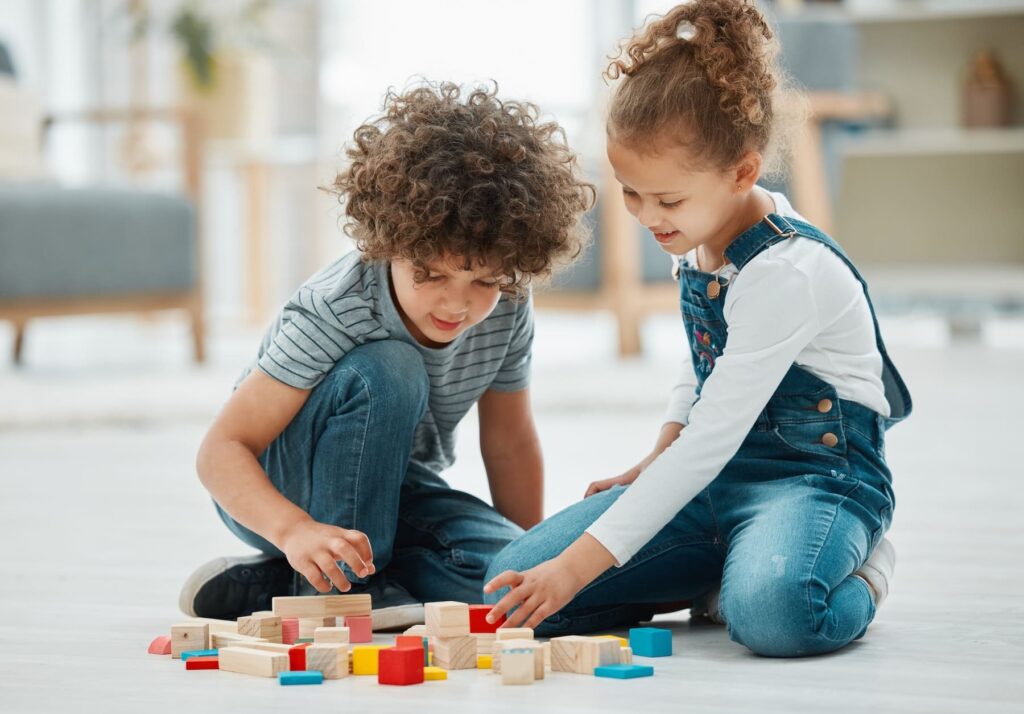
Why Play Matters in Early Development
Through play, children begin to:
- Explore their environment
- Practice communication
- Develop social interaction skills
- Build problem-solving abilities
Play creates a low-pressure environment where learning feels natural and engaging.
According to the American Academy of Pediatrics, play is essential for healthy brain development and supports language, social, and emotional growth.
What Makes Play “Skill-Building”?
Not all play is the same. Skill-building play involves:
- Encouraging interaction with others
- Creating opportunities for communication
- Introducing simple challenges or problem-solving
- Reinforcing positive behaviors
The goal is to meet children where they are and build from there.
Examples of Turning Play Into Learning
1. Simple Games With Purpose
Rolling a ball back and forth teaches turn-taking, attention, and interaction.
2. Toy-Based Communication
Holding back a toy briefly encourages a child to request it—building communication skills.
3. Pretend Play
Using dolls, kitchens, or cars helps children understand routines, roles, and social situations.
4. Imitation Activities
Clapping, stacking, or copying actions builds foundational learning and engagement.
5. Expanding Interests
Taking what a child already enjoys and adding small challenges helps develop new skills naturally.
The Role of ABA in Play-Based Learning
Applied Behavior Analysis (ABA) uses structured techniques within play to teach skills step by step.
Natural Environment Teaching (NET), in particular, allows therapists to:
- Follow the child’s lead
- Create real-life learning moments
- Reinforce communication and interaction immediately
This approach keeps children engaged while building meaningful skills.
How Parents Can Use Play at Home
Parents don’t need special tools—just intention. Try:
- Getting down on your child’s level during play
- Narrating what’s happening (“You’re building a tower!”)
- Encouraging back-and-forth interaction
- Pausing to give your child a chance to respond or communicate
- Keeping play simple and consistent
These small adjustments can turn everyday moments into powerful learning experiences.
Learning Happens in the Moments That Matter Most
Skill-building doesn’t only happen in structured sessions—it happens in the everyday moments children enjoy most. When play is used with purpose, it becomes one of the most effective ways to teach communication, connection, and confidence.
At Phoenix Autism Center, we turn play into progress every day—because the best learning happens when children are engaged, supported, and having fun. Contact us and schedule a tour at any of our 6 locations, including our Mesa location.