
Many parents of children with autism find themselves repeating the same instructions throughout the day. Whether it’s getting dressed, cleaning up toys, brushing teeth, or transitioning to the next activity, verbal reminders can quickly become frustrating for both children and parents.
One of the most effective ways to improve follow-through and reduce behavioral challenges is by adding visual structure to the home environment. Visual supports help children understand expectations, increase independence, and reduce anxiety by making daily routines more predictable and easier to follow.
What Is Visual Structure?
Visual structure refers to the use of pictures, schedules, labels, checklists, and other visual supports that help children understand what is expected of them.
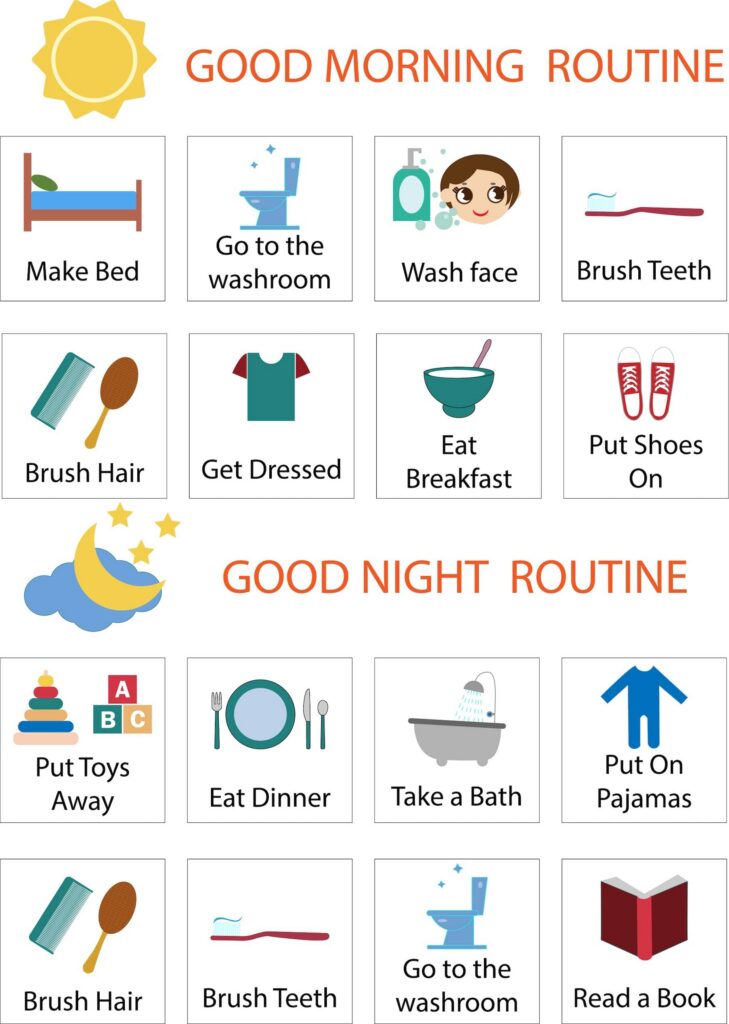
Unlike spoken directions, which disappear as soon as they are said, visual supports remain available for children to reference as needed. This allows them to process information at their own pace and reduces the need for constant verbal prompting.
Visual structure can be incorporated into nearly every part of a child’s day, including:
- Morning routines
- Mealtimes
- Playtime
- Household chores
- Bedtime routines
- Therapy carryover activities
Why Visual Supports Work
Many children with autism process visual information more effectively than spoken language. Visual supports provide clear, consistent information that can reduce confusion and improve understanding.
Research from the Indiana Resource Center for Autism notes that visual supports help increase independence, reduce anxiety, improve communication, and support successful participation in daily activities.
By making expectations visible, children are often better able to understand what to do, when to do it, and what will happen next.
“One of the biggest breakthroughs many families experience is realizing they don’t have to repeat every instruction throughout the day. Visual supports give children a clear understanding of what’s expected and allow them to become more independent. When expectations are visible, both children and parents often experience less stress and more success.” — Bre Hartman, Co-Owner, Phoenix Autism Center
Reducing Anxiety Through Predictability
One common cause of challenging behavior is uncertainty. When children are unsure about what is expected or what comes next, frustration and anxiety can increase.
Visual schedules help answer important questions such as:
- What am I doing now?
- What comes next?
- How much do I have left to do?
- When will I get a break?
Having these answers available visually can help children feel more confident and secure throughout the day.
Improving Follow-Through on Daily Tasks
Parents often find themselves giving multiple reminders for everyday activities. Visual checklists can reduce this reliance on verbal prompting by allowing children to follow a sequence independently.
Examples include:
Morning Routine Checklist
- Use the bathroom
- Brush teeth
- Get dressed
- Eat breakfast
- Put on shoes
Bedtime Checklist
- Bath or shower
- Put on pajamas
- Brush teeth
- Read a book
- Lights out
As children become familiar with the routine, many require fewer reminders and develop greater independence.
Supporting Positive Behavior
Visual structure doesn’t just improve task completion—it can also reduce behavioral challenges.
When expectations are clearly communicated, children are less likely to become frustrated or overwhelmed. Visual supports eliminate some of the guesswork that can lead to resistance, emotional outbursts, or avoidance behaviors.
Children often feel more successful when they can see their progress and understand exactly what is expected.
Making Transitions Easier
Transitions are a common challenge for many children with autism. Moving from one activity to another requires flexibility and can sometimes create stress.
Visual schedules and countdown systems help prepare children for upcoming changes. When children can see what activity is next, transitions often feel less abrupt and more manageable.
Simple tools such as visual timers, first-then boards, and daily schedules can significantly improve transition success.
Creating Structure Without Rigidity
Some parents worry that using visual supports will make children dependent on routines. In reality, visual structure often creates the foundation needed for flexibility.
When children feel secure and understand expectations, they are often better equipped to handle small changes when they occur.
The goal is not to control every moment of the day but to provide enough structure that children can confidently navigate their environment.
Easy Ways to Add Visual Structure at Home
Parents can begin using visual supports without making major changes.
Start with:
- Visual morning and bedtime routines
- Picture schedules
- First-Then boards
- Visual timers
- Labels on toys and storage bins
- Daily calendars
- Task completion checklists
Even one or two simple visual supports can make a meaningful difference.
When Professional Support Can Help
Some children may need additional support learning how to use visual systems effectively. ABA therapy can help children develop the communication, self-regulation, and independence skills needed to successfully follow routines and expectations at home.
Therapists can also help families create visual supports that are customized to their child’s unique needs and developmental goals.
Building Confidence Through Clear Expectations
Visual structure helps transform daily routines from a source of frustration into opportunities for success. When children can clearly see what is expected, they often experience less anxiety, greater independence, and improved behavior.
If your child struggles with routines, transitions, or following directions at home, Phoenix Autism Center is here to help. Our team works closely with families to develop practical strategies that support communication, independence, emotional regulation, and everyday success. Contact Phoenix Autism Center today to learn more about our autism therapy programs and how we can help your child thrive at home, in therapy, and beyond.