When a young child can’t communicate what they want, need, or feel, frustration often follows. For many children with autism, difficulty expressing themselves can lead to tears, challenging behaviors, or withdrawal—not because they’re being difficult, but because they simply don’t have an effective way to communicate.
At Phoenix Autism Center, helping children develop functional communication is one of the most important steps toward greater independence, confidence, and success. Whether a child is using spoken words, gestures, pictures, or a communication device, every child deserves a way to make their voice heard.
What Is Functional Communication?
Functional communication is any method a child uses to effectively express their wants, needs, thoughts, or feelings. The goal isn’t necessarily spoken language—it’s meaningful communication.
A child may learn to:
- Ask for a favorite toy or snack
- Request a break when feeling overwhelmed
- Say “help” when they need assistance
- Tell others when they’re hurt or uncomfortable
- Make choices between activities
- Express emotions appropriately
When children have reliable ways to communicate, they often experience less frustration and greater confidence throughout their day.
Why Frustration Happens
Imagine wanting something important but having no effective way to ask for it. That experience can be overwhelming for anyone.
Children who struggle with communication may become frustrated when they:
- Can’t express their needs.
- Don’t understand what’s expected of them.
- Have difficulty transitioning between activities.
- Feel overwhelmed by sensory input.
- Can’t explain how they’re feeling.
Some children may cry, yell, hit, throw objects, or simply shut down. These behaviors are often a form of communication themselves—they’re a sign that the child needs support in expressing themselves more effectively.
How Functional Communication Helps
Teaching communication skills gives children tools they can use instead of relying on behaviors to get their needs met.
As communication improves, many families notice:
- Fewer meltdowns and tantrums
- Reduced challenging behaviors
- Increased independence
- Better participation in daily routines
- More successful social interactions
- Greater confidence when trying new experiences
Rather than guessing what a child needs, parents and caregivers can begin responding to clear communication, creating more positive interactions for everyone.
Every Child Communicates Differently
There’s no one-size-fits-all approach to communication.
Depending on each child’s strengths and developmental level, communication may include:
- Spoken language
- Sign language
- Picture Exchange Communication System (PECS)
- Communication boards
- Speech-generating devices (AAC)
- Gestures and visual supports
The goal is always to identify the communication method that allows each child to be successful while continuing to build new skills over time.
How ABA and Speech Therapy Work Together
Functional communication is often most effective when multiple therapies work together.
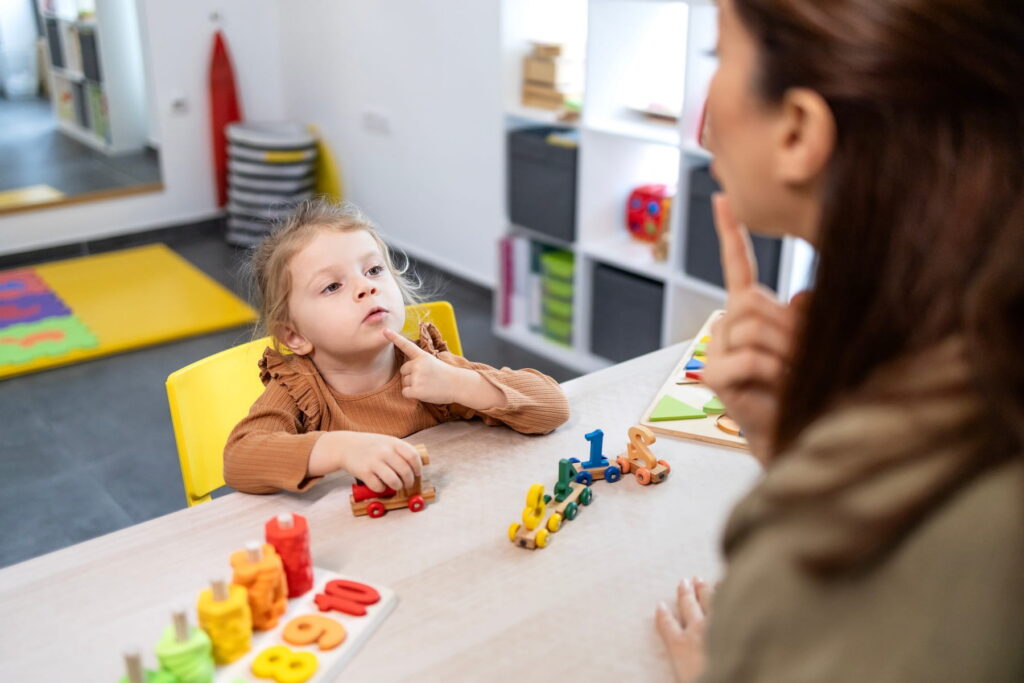
ABA therapy helps children practice communication during everyday activities, reinforcing successful communication throughout the day. Speech therapy focuses on building language, speech production, and overall communication abilities.
At Phoenix Autism Center, our integrated team collaborates to create consistent communication goals across therapies. This coordinated approach gives children more opportunities to practice new skills in meaningful, real-life situations.
Supporting Communication at Home
Parents play an important role in helping communication skills grow beyond the therapy setting.
Simple ways to encourage communication include:
- Giving your child time to respond before stepping in.
- Offering choices instead of yes-or-no questions.
- Modeling simple words or phrases during everyday routines.
- Celebrating every successful attempt to communicate.
- Using consistent visual supports when appropriate.
Even small daily interactions create valuable opportunities for children to practice expressing themselves.
Helping Every Child Find Their Voice
Every child deserves a way to communicate with the people around them. As functional communication develops, children often become more confident, more engaged, and better able to navigate their world with less frustration.
At Phoenix Autism Center, our team works closely with each family to build communication skills through individualized ABA therapy, speech therapy, occupational therapy, and other supportive services. Together, we help children find effective ways to express themselves and reach their full potential.
If you’d like to learn more about our comprehensive autism services or schedule an evaluation, contact Phoenix Autism Center today.