
Progress Isn’t Always Measured in Big Moments
When families begin their autism journey, it’s natural to focus on major milestones—first words, full conversations, or independent play. But in reality, the most meaningful progress often comes from the small, everyday social wins that build over time.
At Phoenix Autism Center, we celebrate those moments—because they are the foundation for lasting growth.
What Are “Small Social Wins”?
Small social wins are the subtle but powerful steps forward that happen during everyday interactions, such as:
- Making eye contact
- Responding to their name
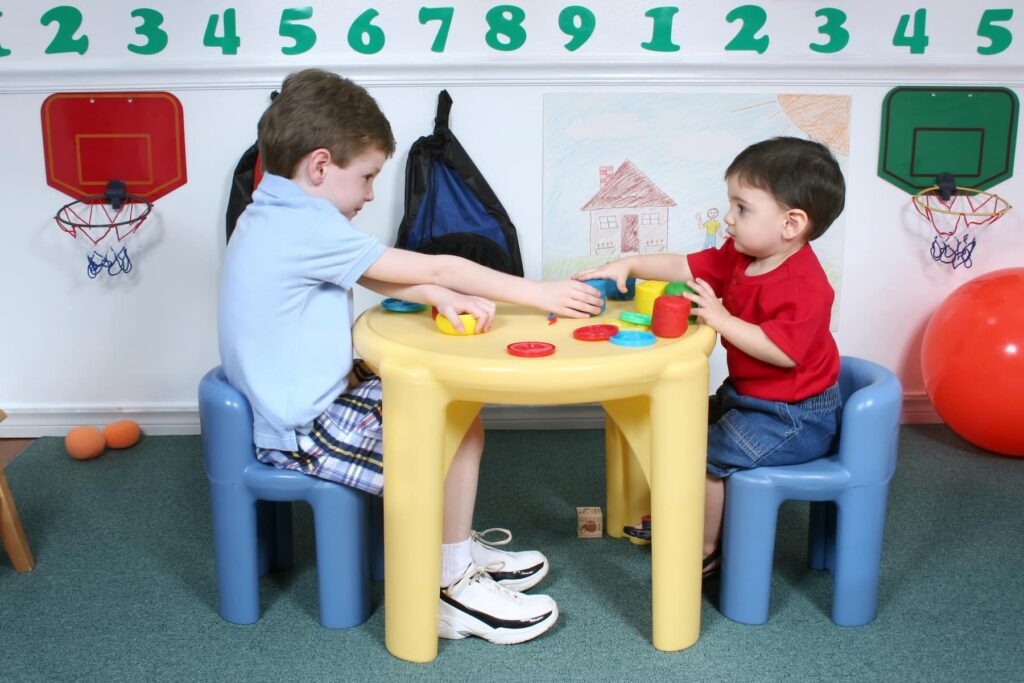
- Sharing a toy or activity
- Imitating sounds or actions
- Sitting with others during play
These may seem simple, but they represent important developmental progress.
Why Small Wins Matter So Much
Each small success builds on the next, creating momentum in a child’s development. These early skills help children:
- Feel more comfortable engaging with others
- Develop confidence in social settings
- Build communication step by step
- Reduce frustration by increasing connection
According to the Centers for Disease Control and Prevention, early developmental gains—no matter how small—play a critical role in long-term outcomes.
The Problem with Focusing Only on Big Milestones
Big milestones are important—but they can sometimes:
- Take longer to achieve
- Create unnecessary pressure for families
- Overlook meaningful daily progress
- Miss opportunities to reinforce smaller skills
When the focus shifts only to large outcomes, it’s easy to miss the steady growth happening along the way.
How Small Wins Lead to Big Breakthroughs
Development happens in layers. For example:
- Eye contact supports joint attention
- Joint attention supports language development
- Language supports social interaction
Each small step is connected, and together they lead to larger milestones over time.
How We Reinforce Small Social Wins
1. Immediate Positive Reinforcement
We celebrate every attempt to engage, helping children understand that connection is valuable.
2. Breaking Skills Into Steps
Complex social behaviors are taught in smaller, achievable pieces.
3. Creating Frequent Opportunities
Through play-based therapy, children practice social skills throughout the day—not just in structured moments.
4. Tracking Progress Over Time
Even the smallest improvements are monitored and built upon, ensuring steady growth.
What Parents Can Do at Home
Supporting small wins at home can make a big difference:
- Acknowledge and praise social efforts
- Engage in simple, back-and-forth play
- Be consistent with language and expectations
- Celebrate progress, not perfection
Consistency between home and therapy helps reinforce these skills more quickly.
Every Step Forward Counts
Progress doesn’t always look dramatic—but it is happening. Each small moment of connection, communication, and engagement is a step toward something bigger.
At Phoenix Autism Center, we focus on those moments every day—because small wins are what lead to lasting change. Contact us today to schedule a tour at any of our locations across the valley.